
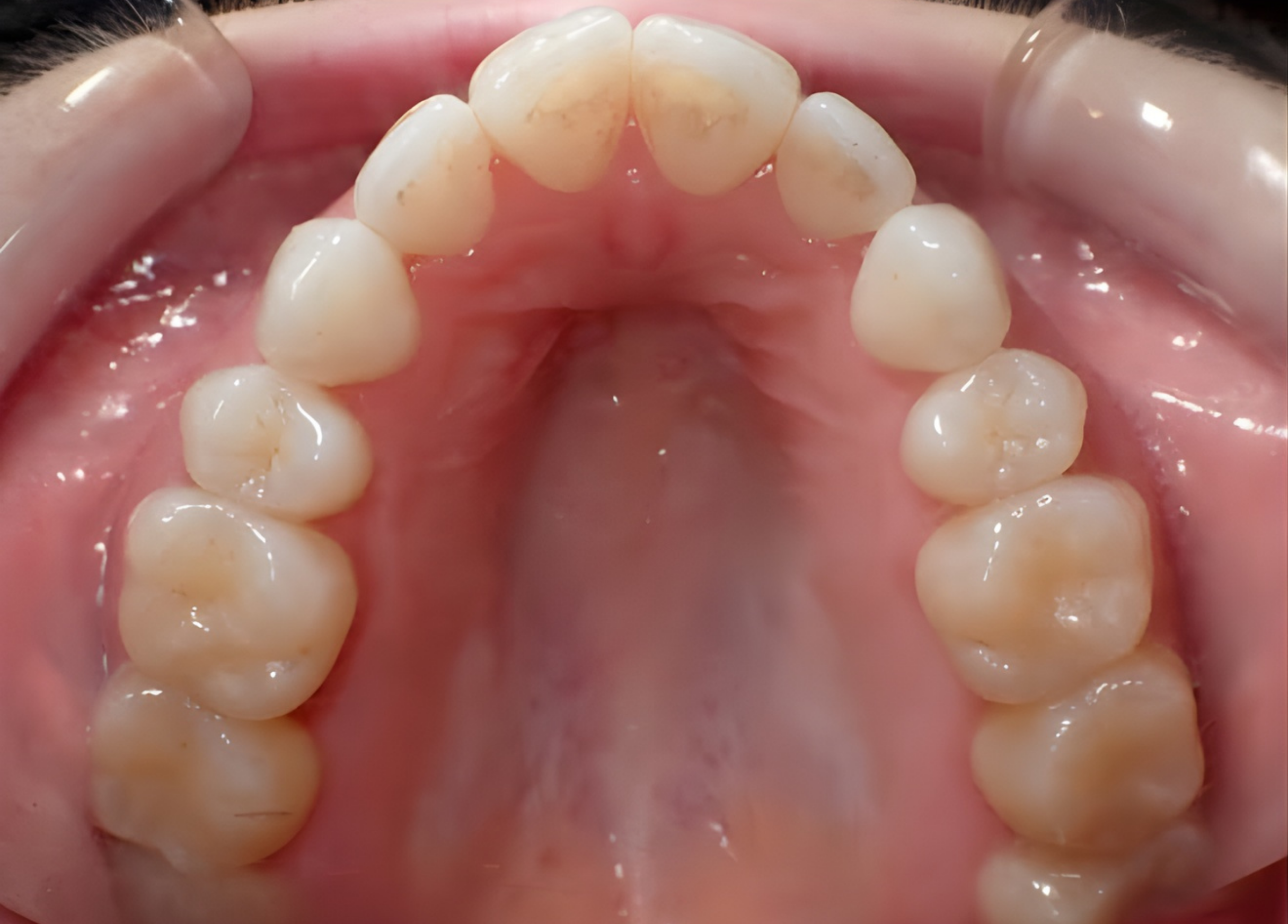
What is Maxillary Skeletal Expansion?
Maxillary Skeletal Expansion is an advanced orthodontic treatment designed to widen the upper jaw (maxilla) by gently separating the mid-palatal suture — the natural joint that connects the two halves of the upper jaw. Unlike traditional expanders that rely primarily on tooth movement, skeletal expansion focuses on creating true bone expansion. This approach improves jaw width, dental alignment, airway space, and overall facial balance. Maxillary Skeletal Expansion is often recommended for adolescents and adults whose jaw development is complete or nearly complete, where conventional expansion methods may be less effective.
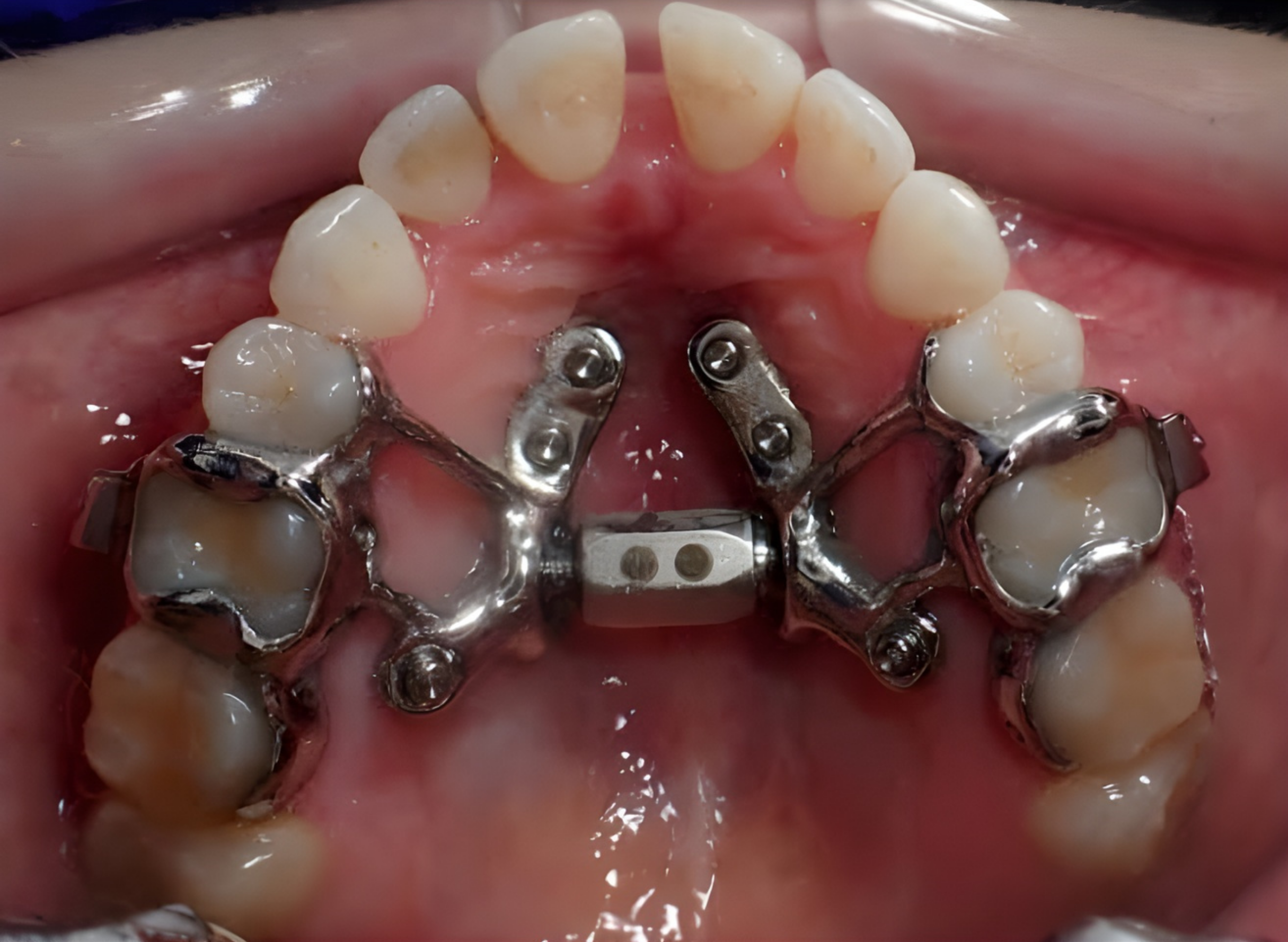
How Does MARPE Work?
MARPE (Mini-Implant Assisted Rapid Palatal Expansion) uses a specialized expansion device anchored directly to the bone using small temporary mini-screws (TADS). These implants provide skeletal support, allowing expansion forces to be delivered to the maxillary bone rather than the teeth alone. Over time, controlled activation of the appliance gradually separates the mid-palatal suture, encouraging new bone formation as the jaw widens. This process creates stable, orthopedic change while minimizing unwanted tooth tipping or gum stress. Patients or caregivers typically activate the appliance at home using a small key according to a customized treatment schedule prescribed by the orthodontist.
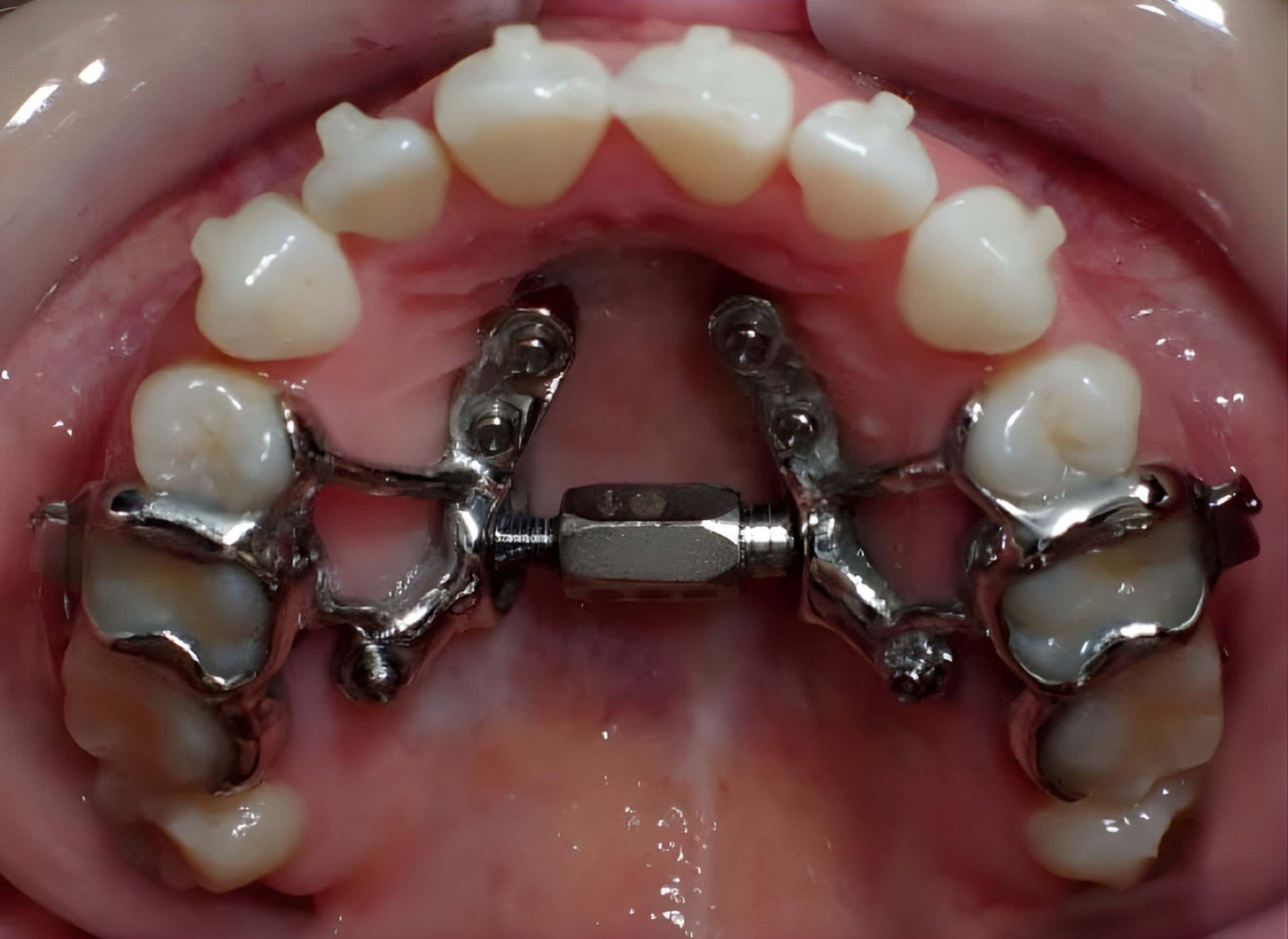
What Does Custom 3D-Printed MARPE Treatment Look Like?
Custom 3D-printed MARPE treatment begins with a digital workflow. A 3D scan of the patient’s teeth and advanced imaging are used to precisely design the appliance based on the individual’s anatomy. Using computer-guided planning, the exact position, angulation, and depth of each mini-implant are mapped before treatment even begins. The appliance is then fabricated using high-precision 3D printing technology, creating a device that fits the patient’s palate with exceptional accuracy. During placement, the custom design allows for efficient insertion and immediate stability, often resulting in improved comfort and predictable outcomes compared to traditional prefabricated expanders.
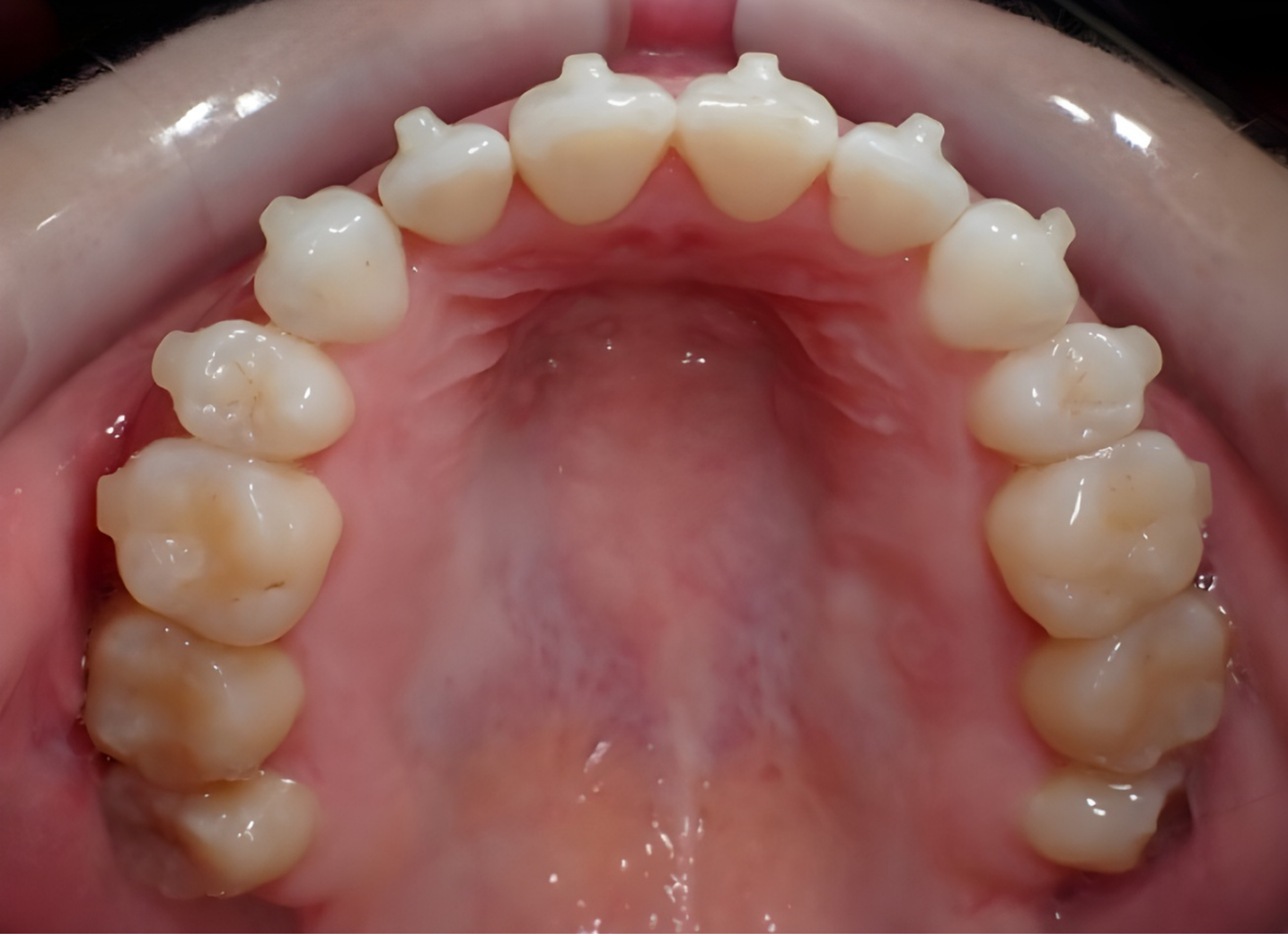
Custom 3D-Printed MARPE: How Is It Different and Why Consider It?
Custom 3D-printed MARPE represents a significant advancement over conventional expansion techniques. Because the appliance is individually designed rather than adapted from a standard template, treatment becomes more precise, efficient, and biologically guided. Customization allows clinicians to optimize implant placement in areas of strongest bone support, improving stability and reducing unnecessary pressure on teeth and soft tissues. Patients may benefit from increased comfort, fewer adjustments, improved hygiene access, and more predictable skeletal expansion. For many adolescents and adults seeking non-surgical jaw expansion, custom 3D-printed MARPE offers a modern, minimally invasive solution that combines digital planning with orthopedic precision.
FAQ’s
Is MARPE only for children?
No. Traditional expanders work best in younger children, but MARPE was specifically developed to allow skeletal expansion in adolescents and adults, even after jaw growth has slowed or completed.
Does MARPE hurt?
Most patients experience pressure or tightness for a few minutes after each activation rather than pain. Mild soreness or nasal pressure is normal during the first week and typically improves quickly. Over-the-counter pain relief is usually sufficient if needed.
How long does MARPE treatment take?
Active expansion typically lasts 2–6 weeks, depending on the amount of expansion needed. After expansion, the appliance usually remains in place for several months to allow new bone to form and stabilize the result.
How is MARPE activated?
Patients (or parents) turn a small key in the appliance once or twice daily according to the orthodontist’s instructions. Each activation makes a tiny, controlled adjustment to gradually widen the upper jaw.
Will I see a gap between my front teeth?
Yes — many patients temporarily develop a small space between the upper front teeth during expansion. This is a normal and positive sign that skeletal expansion is occurring. The gap typically closes naturally or is corrected during orthodontic treatment.
Are the mini-implants permanent?
No. The mini-implants are temporary anchorage devices. They are removed easily once expansion and stabilization are complete.
Can MARPE improve breathing or airway space?
In many patients, widening the upper jaw also increases nasal and airway volume. Some patients report improved nasal breathing or reduced mouth breathing, though results vary and should be evaluated individually.
What is eating like with MARPE?
Patients can eat most foods but should avoid very sticky, hard, or chewy items that could damage the appliance. Soft foods are often preferred during the first few days after placement or activation.
How do I clean the MARPE appliance?
Good oral hygiene is important. Patients brush normally and use floss threaders, water flossers, or special brushes to clean around the appliance and mini-implants. Your orthodontic team will provide detailed cleaning instructions.
Is MARPE an alternative to jaw surgery?
For some patients, yes. MARPE can provide skeletal expansion without surgical intervention in many adolescents and adults. However, severe cases may still require surgical treatment, which your orthodontist will discuss if necessary.
How is custom 3D-printed MARPE different?
Custom 3D-printed MARPE appliances are digitally designed using 3D imaging and fabricated specifically for each patient’s anatomy. This allows more precise fit, guided implant placement, improved comfort, and highly predictable expansion outcomes.
What happens after MARPE treatment?
After expansion stabilizes, orthodontic treatment such as braces or clear aligners is often used to align the teeth and refine the bite. In some cases, your Orthodontist can utilize braces or clear aligners to work simultaneously with the MARPE to minimize the gap that forms.