
Room for Every Tooth, and a Smile That Is Easier to Clean
Crowding happens when there isn’t enough space in the jaw for all of the teeth to line up. Teeth then twist, overlap, or push forward and back. At Schmidl Orthodontics, we treat crowded teeth for children, teens, and adults at our Medford and Ashland, OR offices. We find out why space is short and create a plan that gives every tooth a healthy place in the arch.
Request an AppointmentWhat Causes Crowded Teeth?
Crowding is one of the most common reasons patients visit an orthodontist. It usually comes from a mismatch between the size of the teeth and the size of the jaw. Common causes include:
- Teeth that are large relative to the jaw, which is often inherited
- A narrow upper jaw that limits space across the arch (see narrow upper jaw)
- Baby teeth that are lost too early or too late, which lets neighboring teeth drift into the open space
- Adult teeth that erupt out of position, including impacted canines
- Natural shifting with age, which often shows up as crowding of the lower front teeth in adults
- Relapse after earlier orthodontic treatment when retainers weren’t worn
Crowding often appears with other bite issues, so we always check the whole bite. You can read about related concerns on our common teeth and bite problems page.
Why Crowding Is More Than a Cosmetic Concern
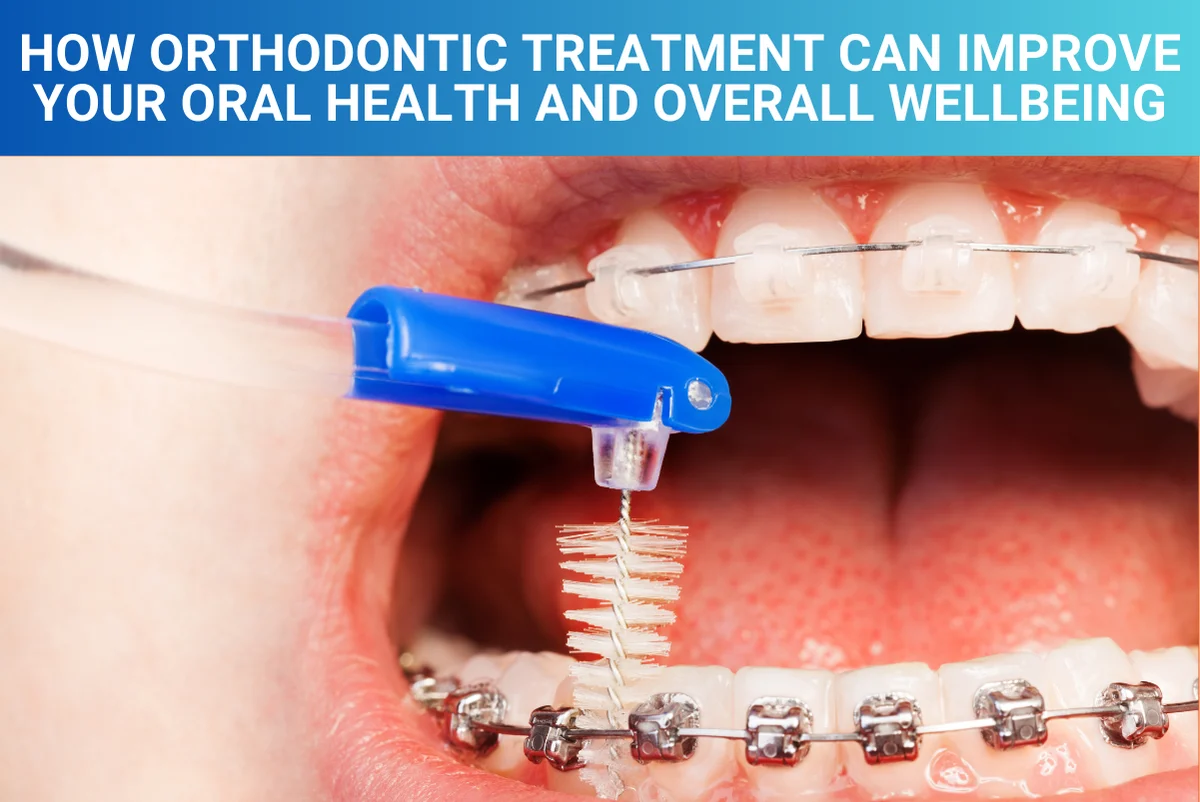
Overlapping teeth create tight corners where plaque and food collect. Toothbrushes and floss have trouble reaching those spots. Over time, crowding can raise the risk of cavities, gum inflammation, and uneven tooth wear. Teeth that are pushed out of position can also be more prone to chipping. Straightening a crowded smile makes daily hygiene easier and helps the bite work evenly. Many patients also find they feel more comfortable smiling.
How We Treat Crowded Teeth
Dr. Dana Schmidl starts with a thorough exam and digital records. These show how much space is needed and where it can come from. Depending on the case, a plan may include:
- Traditional or custom braces: Brackets and wires guide teeth into alignment. Our braces options include KLOwen custom braces, designed around each patient’s teeth.
- Clear aligners: Mild to moderate crowding can often be corrected with removable clear aligners.
- Palatal expansion: When a narrow upper jaw is the cause, widening it can create space naturally. Growing children may benefit from a rapid palatal expander (RPE). For teens and adults, we offer palatal expansion in non-growers.
- Space management: Some cases call for gentle reshaping between teeth or, less often, removing a tooth to create room. We explain every option before treatment begins.
Throughout treatment, dental monitoring lets us track progress between visits. That can mean fewer trips to the office for busy families.
Treatment at Every Age
Crowding can be addressed at different stages of life:
- Children: An evaluation around age 7 can spot crowding early. Early treatment can guide jaw growth and make room for incoming adult teeth.
- Teens: Adolescent treatment takes advantage of ongoing growth once most adult teeth have erupted.
- Adults: It’s never too late to correct crowding. Our adult treatment options include discreet choices that fit work and family life.
Keeping Teeth Straight After Treatment
Crowded teeth have a natural tendency to drift back toward their old positions. That is why retention is an essential part of every plan. We’ll fit you with retainers and show you how to wear them so your results last.
Care Close to Home in Medford and Ashland
Patients throughout the Rogue Valley visit our Medford office at (541) 773-6600 and our Ashland office at (541) 482-4343. To learn more about the doctor who will guide your care, visit Meet Dr. Dana Schmidl. You can also read what it means to be a board certified orthodontist. For information on payment plans and insurance, see our financial page.
Crowded Teeth: Frequently Asked Questions
How do I know if my teeth are crowded?
Signs include teeth that overlap or twist, and floss that shreds or catches between teeth. Teeth that sit in front of or behind the rest of the arch are another sign. An orthodontic exam measures how much space is missing and whether other bite problems are involved.
Can crowded teeth get worse over time?
Yes. Crowding often increases as adult teeth come in. Teeth can also continue to shift with age, especially the lower front teeth. Addressing crowding sooner usually keeps treatment simpler.
Can clear aligners fix crowded teeth?
Many cases of mild to moderate crowding respond well to clear aligners. More severe crowding, or crowding combined with jaw or bite issues, may be better treated with braces or with expansion first. Dr. Schmidl will recommend the option that fits your case.
Will I need teeth pulled to fix crowding?
Not always. Space can often be created with palatal expansion, careful alignment, or slight reshaping between teeth. Extractions are considered only when they offer the best long-term result. We’ll discuss every option with you first.
At what age should my child be checked for crowding?
We recommend a first orthodontic evaluation around age 7. At that age, we can see how adult teeth are coming in and whether early treatment could help guide growth and create room.
How long does treatment for crowded teeth take?
It depends on how severe the crowding is and which treatment is used. Many patients finish in about 12 to 24 months. We’ll give you an estimated timeline at your exam.
Will my teeth become crowded again after treatment?
Teeth naturally tend to shift. Wearing your retainers as directed is the best way to protect your results. We’ll provide retainers and clear instructions when your active treatment ends.
Make Room for a Healthier Smile
Crowded teeth don’t have to stay that way. Schedule an exam at Schmidl Orthodontics in Medford or Ashland. Dr. Schmidl will explain what’s causing the crowding and walk you through your treatment options. Call our Medford office at (541) 773-6600 or our Ashland office at (541) 482-4343, or request your visit online.