
Straighter Teeth With Stronger Bone and Gum Support
Surgically Facilitated Orthodontic Therapy (SFOT) pairs orthodontic treatment with a minor periodontal procedure so teeth can move more efficiently and safely through healthy, well-supported bone. At Schmidl Orthodontics, we coordinate SFOT for adults and teens in Medford, Ashland and throughout the Rogue Valley who have significant crowding, thin bone or gum tissue, gum recession concerns or complex bite problems. A periodontist or oral surgeon handles the surgical step, and our orthodontic team plans and guides every stage of tooth movement. The goal is a beautiful, stable smile with healthy gums and bone underneath it. Call (541) 773-6600 - Medford Office or (541) 482-4343 - Ashland Office or request a consultation at either office to learn whether SFOT is right for you.
Request an AppointmentWhat Is Surgically Facilitated Orthodontic Therapy?
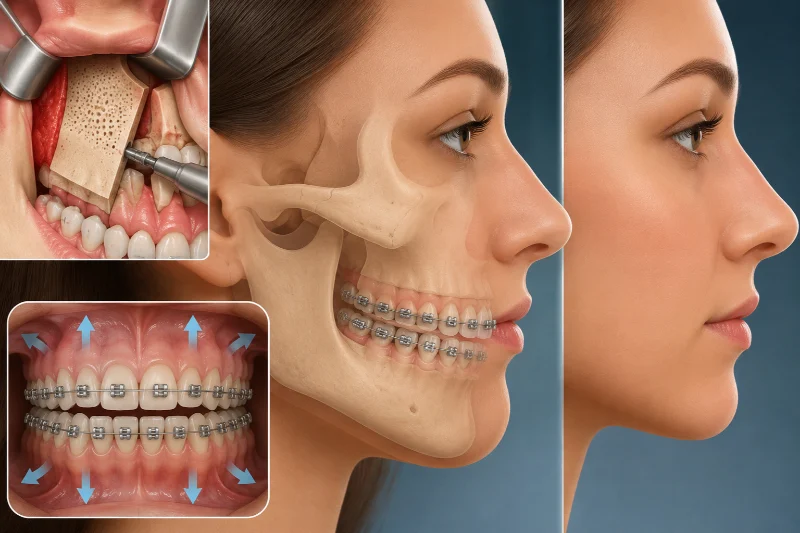
SFOT is an advanced approach that combines traditional orthodontic tooth movement with a carefully planned surgical procedure on the bone that surrounds the teeth. The procedure stimulates the body’s natural bone remodeling process, which creates a window of time when teeth respond more readily to orthodontic forces. Bone grafting material is often added at the same time to thicken and strengthen the support around the roots.
Because it focuses on the health of the foundation as well as the position of the teeth, SFOT is most often recommended as part of adult orthodontic treatment, when bone has finished growing and gum tissue may already be thin. It can also be helpful for older teens with complex needs. SFOT is always combined with orthodontic appliances such as braces or clear aligners; the surgery prepares the bone, and the appliances do the work of moving the teeth.
Who May Benefit From SFOT?
Dr. Schmidl may recommend Surgically Facilitated Orthodontic Therapy if you have:
- Moderate to severe crowded teeth
- Thin bone or gum tissue around the teeth
- Existing gum recession or a high risk of recession during treatment
- A narrow upper jaw or narrow dental arches
- Teeth that need to move a significant distance
- Certain bite or jaw discrepancies
- A desire to reduce the need for extractions in some cases
- Concerns about long-term periodontal support during orthodontic care
SFOT is not needed for every patient. Many smiles can be corrected with standard orthodontics alone. For adults with a narrow upper jaw, SFOT is often considered alongside options like palatal expansion in non-growers. A thorough evaluation of your teeth and bite problems, along with your gum and bone health, guides the recommendation.
How SFOT Works
SFOT takes advantage of a natural healing response called the Regional Acceleratory Phenomenon (RAP). When the bone around the teeth is gently treated, the body temporarily increases bone turnover in that area. During this phase, which typically lasts a few months, teeth can move more efficiently while new bone forms around them.
During the procedure, the periodontist or oral surgeon may:
- Carefully treat small areas of bone around selected teeth
- Place bone grafting material to improve thickness and support
- Reposition the gum tissue and allow it to heal
Orthodontic adjustments are then timed closely to this healing window so tooth movement can progress while bone and gum tissue are supported.
What to Expect During SFOT Treatment
Consultation and Records
Your journey begins with a comprehensive exam at our Medford or Ashland office. We evaluate your teeth, bite, gums and supporting bone using digital scans, photos, X-rays and, when needed, 3D CBCT imaging. Learn more about the latest technology we use to plan treatment precisely. When SFOT may help, we coordinate with a trusted periodontist or oral surgeon to review your bone and gum health.
Orthodontic Preparation
In most cases, braces or aligners are placed shortly before the surgical procedure so tooth movement can begin right away during the accelerated healing phase. Your treatment plan is customized around your goals, your timeline and the movements your teeth need.
The SFOT Procedure
The surgical step is performed in a periodontal or oral surgery office, usually with local anesthetic and sometimes sedation for comfort. Most patients feel mild to moderate soreness for several days and return to normal routines quickly.
Active Orthodontic Treatment
After surgery, visits are scheduled to make the most of the healing window. Progress is watched closely, and tools like Dental Monitoring can help us check in between appointments. Bone and gum health are evaluated throughout treatment.
Retention
When your teeth reach their final positions, retainers help hold them in place and protect your results for the long term.
Benefits of SFOT
- Helps teeth move more efficiently through the bone
- May shorten overall orthodontic treatment time
- Supports healthier bone and gum tissue around the teeth
- Can improve long-term periodontal stability
- Allows safer movement of teeth when bone is thin
- May reduce the need for extractions in certain cases
- Can help widen the dental arches more conservatively
- Supports improved smile and facial aesthetics
- Brings orthodontic and periodontal specialists together on one plan
Coordinated Care for Medford and Ashland Patients
Complex cases deserve a team approach. Dr. Dana Schmidl works closely with local periodontists and oral surgeons so your care feels connected from the first exam to your final retainer check. Patients visit us at our Medford orthodontic office or our Ashland orthodontic office, and our team can walk you through financial options before treatment begins. Explore all of our orthodontic services to see how SFOT fits into a complete treatment plan.
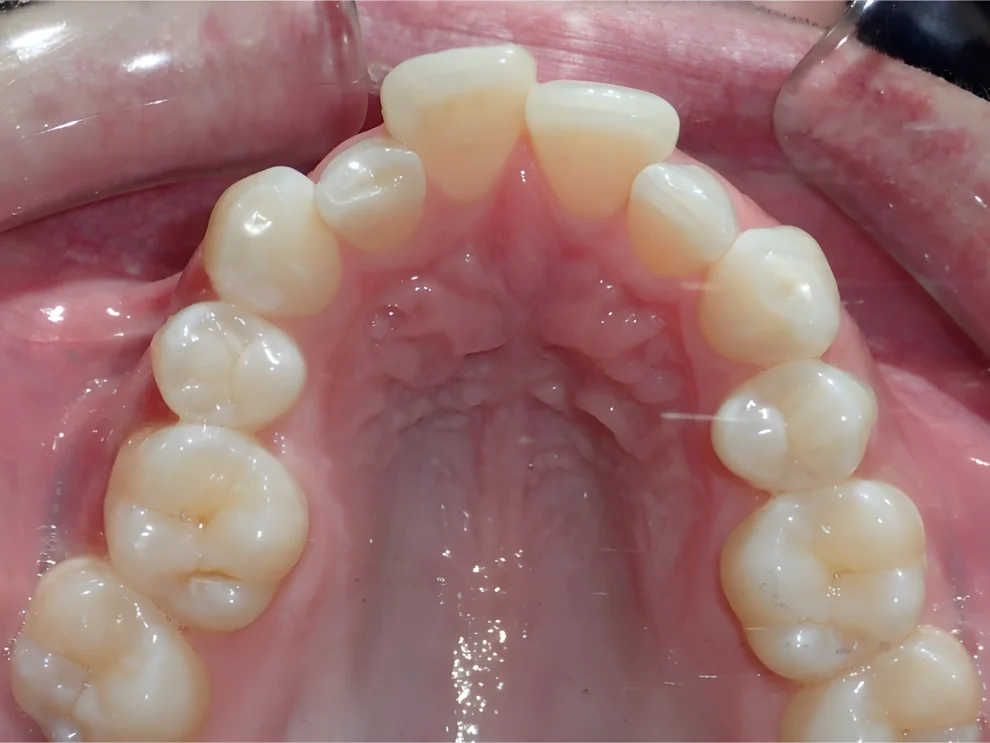
Before
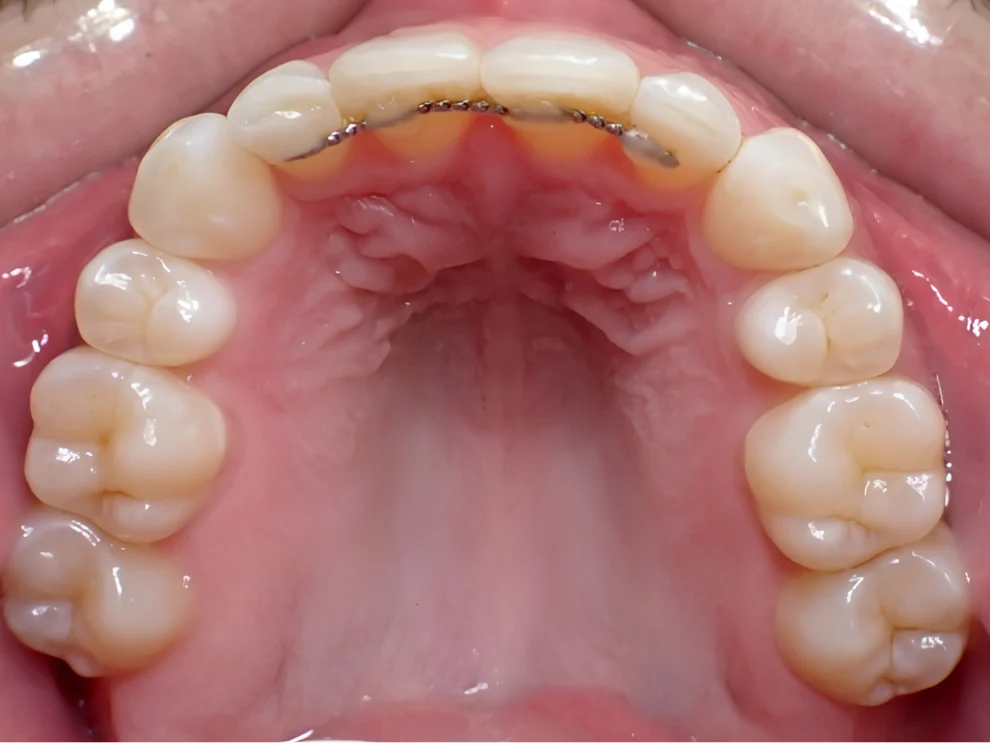
After
SFOT Questions Patients Ask
Does SFOT hurt?
The procedure is performed with local anesthetic, and sometimes sedation, so you should be comfortable during surgery. Afterward, most patients have mild to moderate soreness for several days that is typically managed with prescribed or over-the-counter medication and improves steadily as healing progresses.
How long does SFOT treatment take?
The surgical healing phase is short, while orthodontic treatment continues before and after it. Because teeth often move more efficiently during the accelerated healing window, total treatment time may be shorter than it would be otherwise. Your exact timeline depends on the complexity of your case.
Who is a good candidate for SFOT?
Adults and some older teens with moderate to severe crowding, thin bone support, gum recession concerns, narrow arches or complex bite problems may benefit. A comprehensive orthodontic and periodontal evaluation is the best way to know whether SFOT is a good fit for you.
Will I need bone grafting?
Bone grafting material is often placed during the SFOT procedure to increase bone thickness and support around the roots. Your orthodontist and periodontist will decide together whether grafting is recommended for your specific needs.
Who performs the surgical part of SFOT?
A periodontist or oral surgeon performs the surgical step in their office. Our orthodontic team plans the tooth movement, coordinates timing with the surgeon and manages your braces or aligners throughout treatment.
Will I still need braces or aligners?
Yes. SFOT prepares the bone so teeth can move efficiently and safely, but braces or clear aligners still move the teeth into their final positions. Retainers are used afterward to keep your results stable.
What should I eat and how do I keep things clean after the procedure?
Plan on a softer diet during early healing and avoid hard, crunchy or sticky foods that could irritate the surgical sites. Brush carefully around your braces or aligners, use any prescribed rinse and follow the detailed cleaning instructions your surgical and orthodontic teams provide.
Find Out if SFOT Is Right for Your Smile
If crowding, thin gums or a complex bite has kept you from orthodontic treatment, SFOT may open the door to a healthier, more confident smile. Schedule a consultation at our Medford or Ashland office, or call (541) 773-6600 - Medford Office or (541) 482-4343 - Ashland Office to talk with our team.