
Breathing Through the Nose Shapes a Healthier Smile
How we breathe affects how the jaws grow, where the tongue rests, and how the teeth come together. Children and adults who breathe mainly through the mouth often develop a narrow upper jaw, crowding, crossbites, or an open bite, and many also snore or sleep poorly. At Schmidl Orthodontics, Dr. Dana Schmidl evaluates mouth breathing at our Medford and Ashland, OR offices, looks at the jaw and airway together, and builds a plan that supports both a healthy bite and easier breathing.
Request an AppointmentWhat Is Mouth Breathing?
Everyone breathes through the mouth now and then, during hard exercise or a head cold. Chronic mouth breathing is different: it is the habit of breathing through the mouth most of the day and night, even when the nose should be doing the work. Over time, this habit changes the forces acting on the teeth and jaws, which is why it is one of the common teeth and bite problems we evaluate in growing children, teens, and adults.
When the mouth hangs open, the tongue drops to the floor of the mouth instead of resting against the palate. The tongue normally acts as a natural expander for the upper jaw. Without that gentle, constant pressure, the palate can grow narrow and high, leaving less room for teeth and less space in the nasal passages above it.
Common Causes of Mouth Breathing
Mouth breathing usually starts because something makes nasal breathing difficult. Common contributors include:
- Enlarged tonsils or adenoids that block the airway
- Seasonal or year-round allergies and chronic nasal congestion
- A deviated septum or narrow nasal passages
- A narrow upper jaw that limits room in the nasal airway
- Low tongue posture, thumb sucking, or other oral habits
- A habit that continues even after the original blockage is resolved
Because the causes vary, we often work alongside your pediatrician, family dentist, ENT, or allergist so the whole picture is addressed, not just the teeth.
Signs to Watch For
Parents are often the first to notice. Watch for lips that rest apart, snoring or noisy breathing at night, restless sleep, dark circles under the eyes, dry or cracked lips, frequent bad breath, and daytime tiredness or trouble focusing. In the mouth, you may see crowded teeth, a crossbite, front teeth that don’t meet, or a longer, narrower facial appearance developing over time.
How Mouth Breathing Affects the Bite
Long-term mouth breathing is linked to several orthodontic problems, including crossbite, open bite, crowded teeth, and overjet. A dry mouth also leaves teeth with less protective saliva, which raises the risk of cavities and gum inflammation. Many mouth breathers also snore or have disrupted sleep, which is why we take an airway-focused approach to orthodontics.
How We Evaluate and Treat Mouth Breathing
Your visit begins with a careful exam of the teeth, jaws, palate, tongue posture, and facial growth. Using our latest orthodontic technology, Dr. Schmidl can see how the width of the upper jaw relates to the bite and airway. If a medical cause such as large tonsils or allergies is suspected, we will recommend you see the right specialist.
Treatment depends on age and the underlying cause:
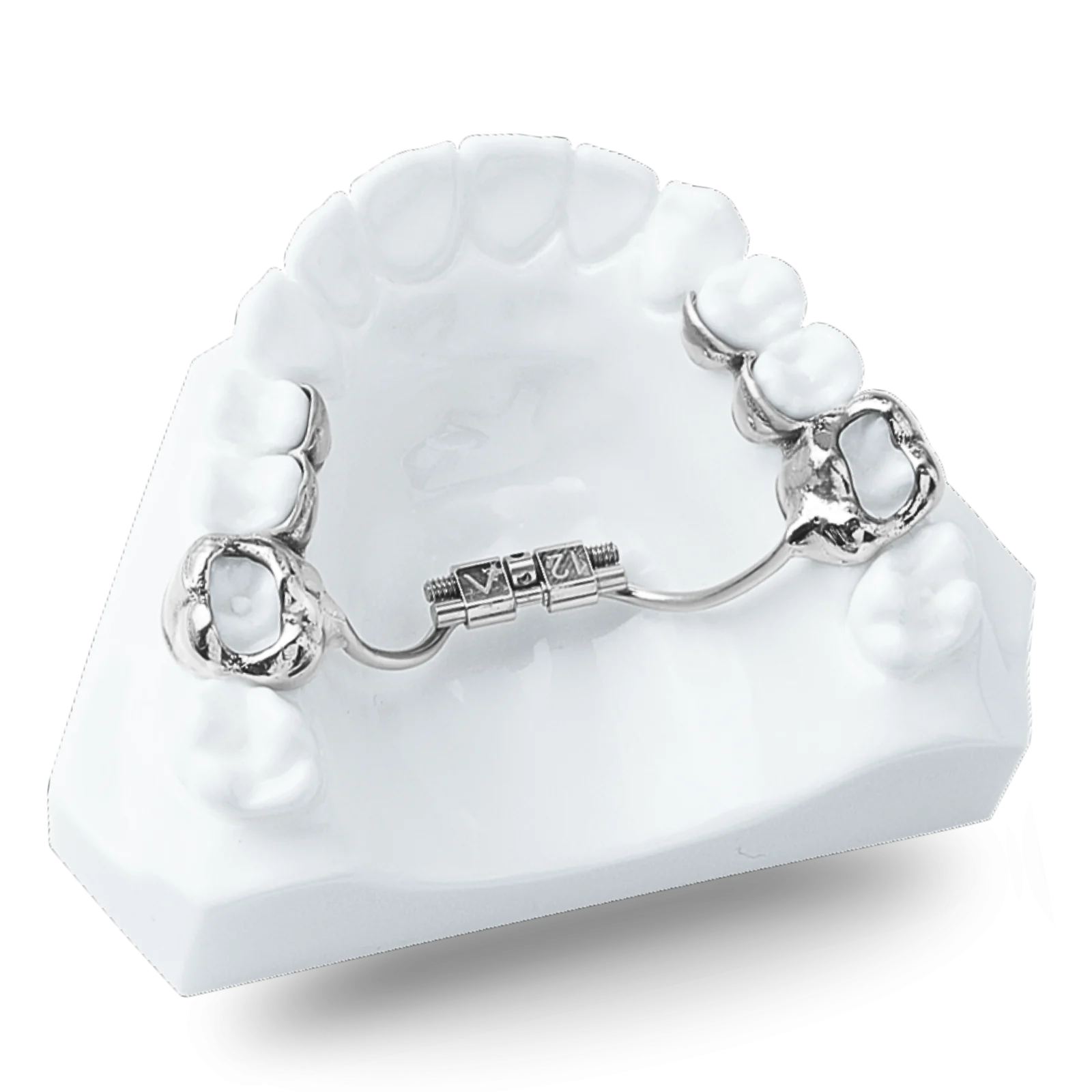
- Growing children: Early orthodontic treatment takes advantage of natural growth. A rapid palatal expander (RPE) can widen a narrow upper jaw, creating room for teeth and supporting a wider nasal floor.
- Teens and adults: Once growth slows, the palate is harder to widen. Palatal expansion for non-growers uses bone-anchored appliances to expand the upper jaw without surgery in many cases.
- Aligning the bite: After expansion, braces or clear aligners straighten the teeth and bring the bite together.
- Habit support: We may suggest exercises or referrals to help retrain lip seal and tongue posture so results stay stable.
Care for Every Age
We see patients of all ages for airway and bite concerns. Children benefit most from an evaluation by age seven, when there is still time to guide jaw growth. Teens can address mouth breathing during adolescent treatment, and it is never too late to improve function and comfort through adult orthodontic treatment. Learn more about Dr. Dana Schmidl and how she approaches airway-focused care.
Mouth Breathing FAQs
Can an orthodontist help with mouth breathing?
Yes. An orthodontist can correct jaw and bite problems that make nasal breathing harder, such as a narrow upper jaw. Palatal expansion can widen the upper jaw and nasal floor, and aligning the teeth helps the lips close comfortably. When a medical cause like enlarged tonsils or allergies is involved, we coordinate care with your physician or ENT.
At what age should my child be checked for mouth breathing?
We recommend an orthodontic evaluation by age seven, or sooner if you notice snoring, an open-mouth resting posture, or crowding. Early evaluation lets us guide jaw growth while the palate is still developing, which is often simpler than correcting the problem later.
Does mouth breathing change the shape of the face?
Chronic mouth breathing during childhood is associated with a narrow upper jaw, a high palate, and a longer facial appearance. Because the tongue rests low instead of against the palate, the upper jaw may not grow as wide as it should. Addressing it early helps support more balanced growth.
Is mouth breathing connected to snoring and sleep apnea?
It often is. Mouth breathing, snoring, and sleep-disordered breathing frequently occur together. An orthodontic exam can show whether a narrow jaw is a contributing factor, and we will refer you for a sleep evaluation when appropriate.
Can adults still be treated for a narrow jaw caused by mouth breathing?
Yes. Adults no longer have the growth that makes a standard expander effective, but bone-anchored palatal expansion can widen the upper jaw in many non-growing patients. Braces or clear aligners then finish aligning the teeth and bite.
How long does treatment take?
Palatal expansion itself usually takes a few weeks of active widening, followed by several months of stabilization. Full orthodontic treatment afterward varies by age and bite, and Dr. Schmidl will give you a personalized timeline at your exam.
Where can we be seen for a mouth breathing evaluation?
We see patients at both our Medford office on Siskiyou Blvd and our Ashland office on Siskiyou Blvd. Call Medford at (541) 773-6600 or Ashland at (541) 482-4343 to schedule an exam.
Help Your Family Breathe and Smile Easier
If you’ve noticed open-mouth breathing, snoring, or a narrowing bite in yourself or your child, an orthodontic evaluation is a simple first step. Visit Schmidl Orthodontics in Medford or Ashland, or call (541) 773-6600 - Medford Office or (541) 482-4343 - Ashland Office to talk with our team about your concerns.