
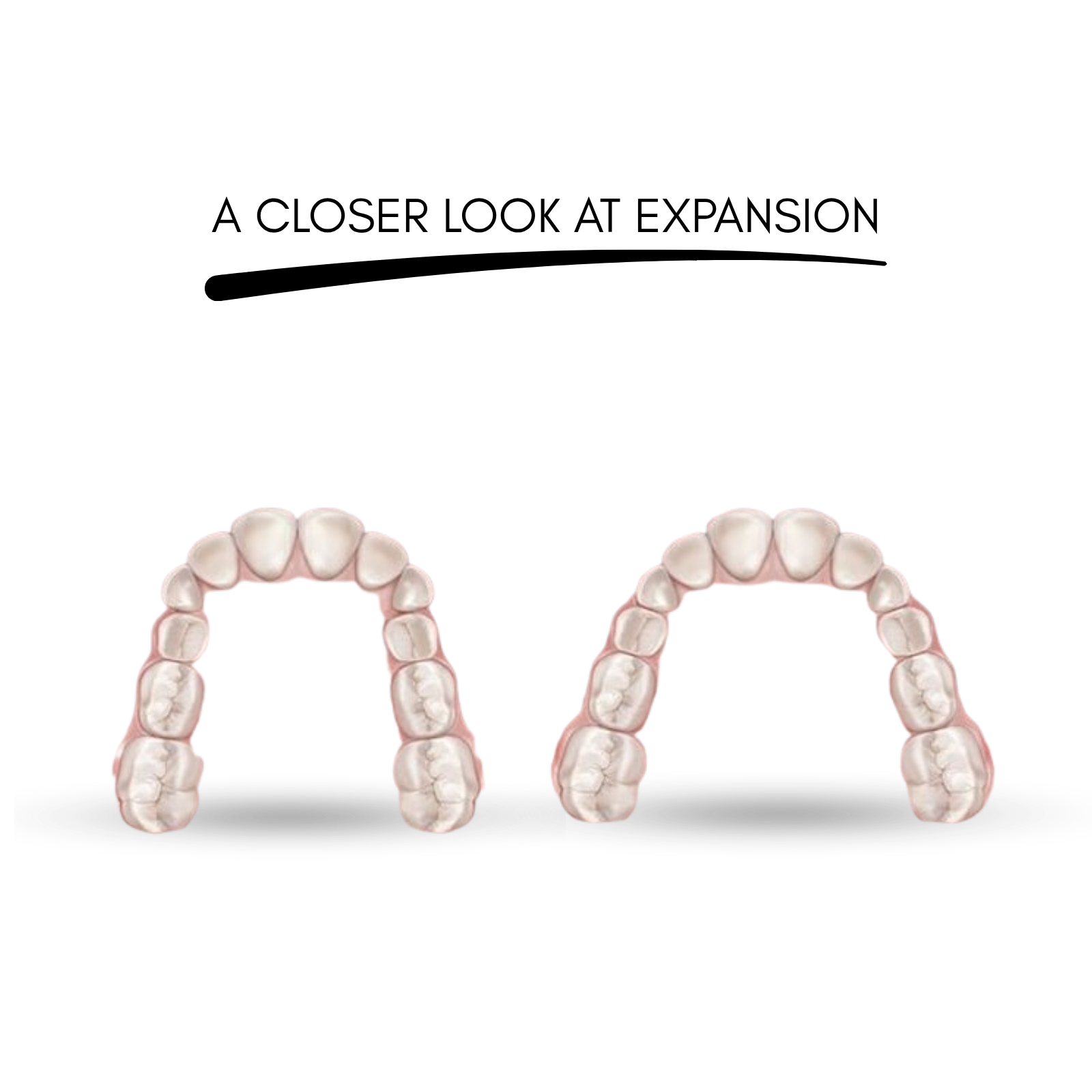
What Is a Rapid Palatal Expander (RPE)?
A Rapid Palatal Expander (RPE) is one of the most common orthodontic appliances used to widen the upper jaw (maxilla). The upper jaw is made of two halves joined together by a natural seam called the midpalatal suture. In growing children, this seam can be gently expanded to create more space in the mouth.
An RPE is commonly recommended for children and pre-teens whose upper jaw is too narrow. Expanding the jaw helps create room for permanent teeth, improves the bite, and supports healthy jaw development.
Your orthodontist may recommend a Rapid Palatal Expander if your child has:
- Crowded teeth
- A narrow upper jaw
- Crossbite (upper teeth fitting inside the lower teeth)
- Difficulty biting or chewing properly
- Mouth breathing or airway concerns
- The need to create space for incoming permanent teeth
Early expansion can help guide proper growth and may reduce the need for tooth extractions later in treatment.
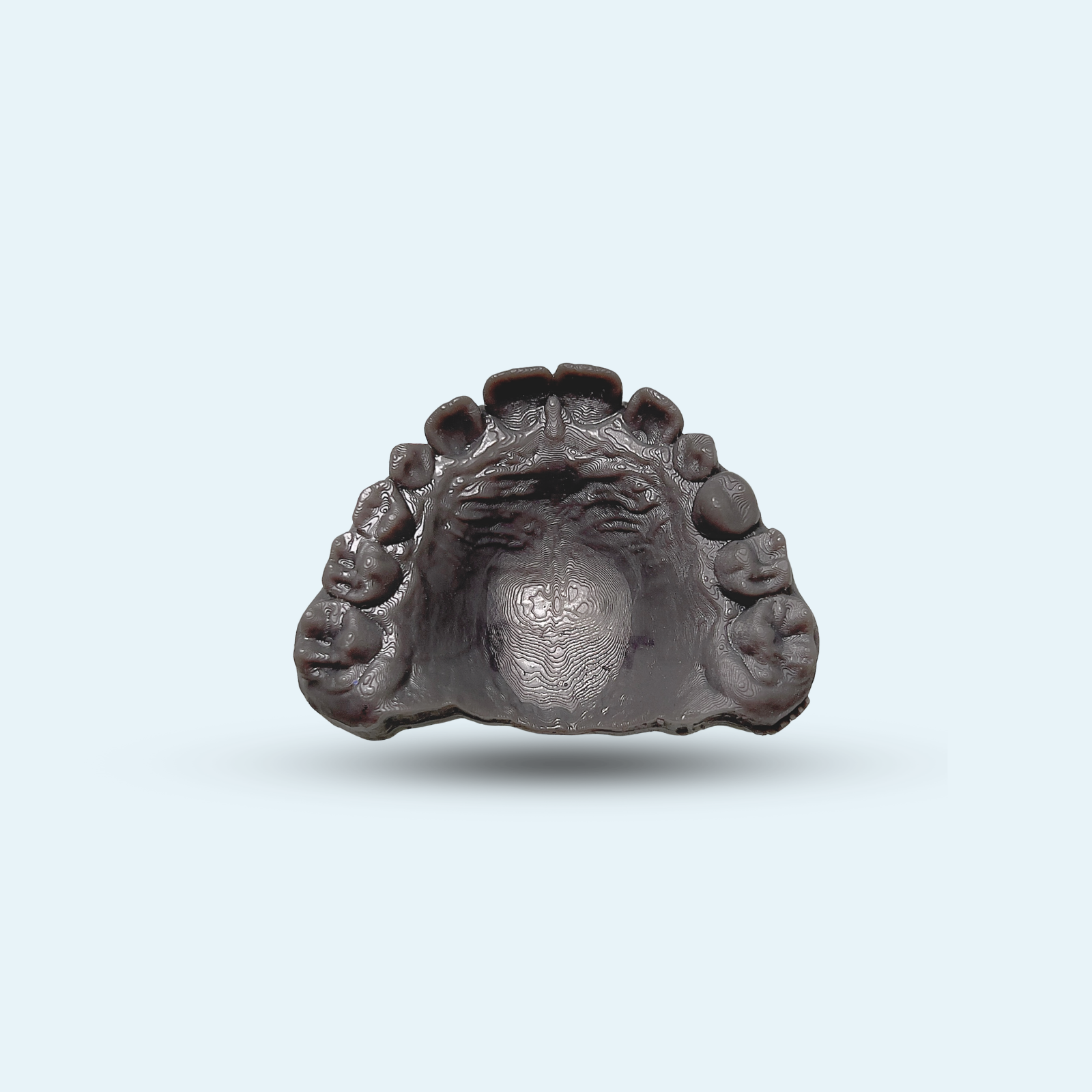
How Does an Expander Work?
A Rapid Palatal Expander works by applying gentle, controlled pressure to gradually widen the upper jaw.
The expander is custom-made, allowing it to fit comfortably on the upper molars. In the center of the appliance is a small screw. A parent or caregiver turns the screw using a special key according to the orthodontist’s instructions, usually once per day.
Each small turn:
- Applies light pressure to the upper jaw
- Gradually separates the midpalatal suture
- Creates space in the upper jaw
- Allows new bone to form in the expanded area
- Makes room for teeth to move into better positions
It is normal for patients to feel pressure or tightness for a few minutes after turning the key. This sensation typically fades quickly.
Once the desired width is reached, the expander stays in place for several months to allow the new bone to stabilize and prevent the jaw from shifting back.
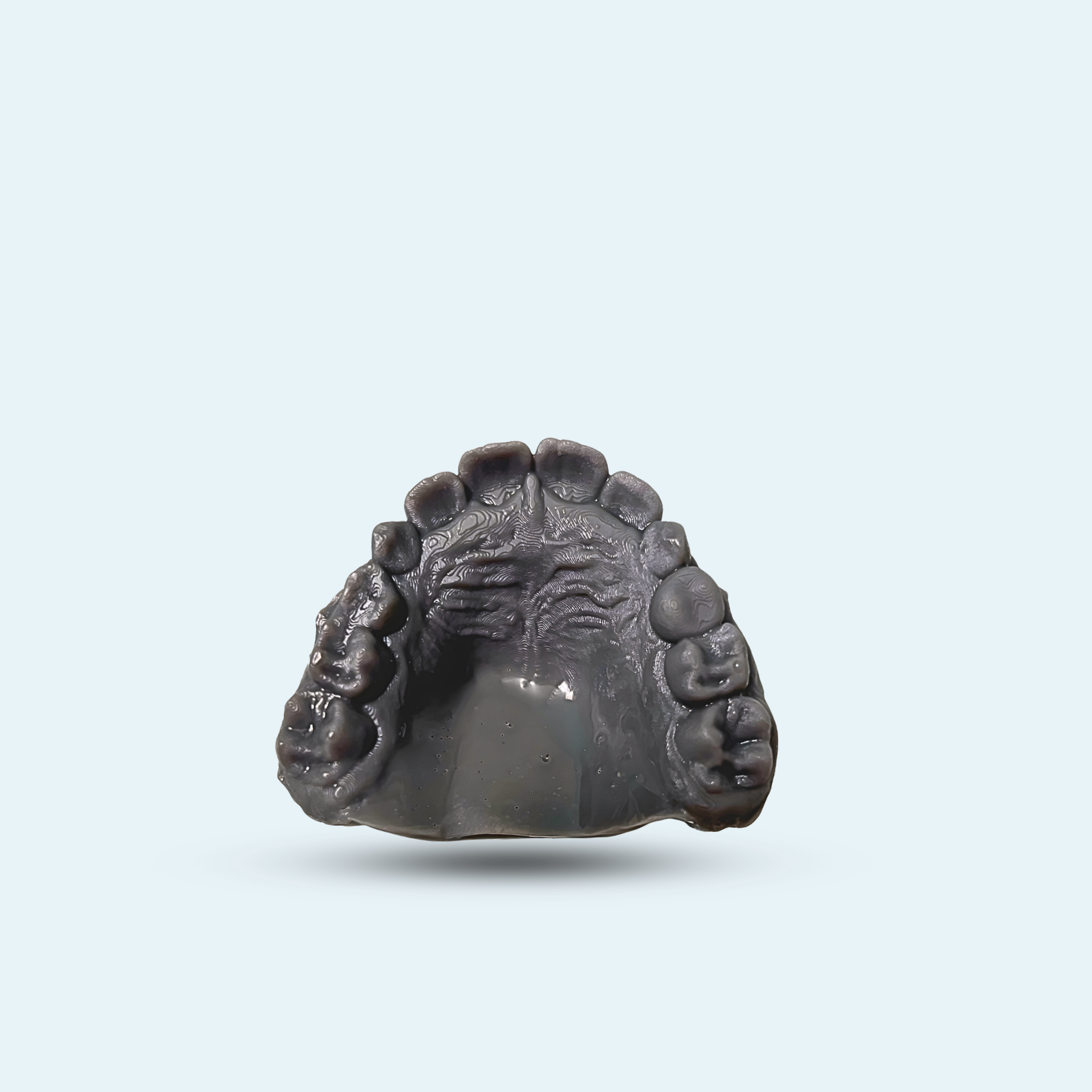
What Does RPE Treatment Look Like?
Rapid Palatal Expander treatment is a simple and effective process that typically occurs in several stages.
Initial Consultation
During the consultation, your orthodontist will examine the teeth, bite, and jaw development. 3D Scans, photos, and X-rays may be taken to determine if an expander is recommended.
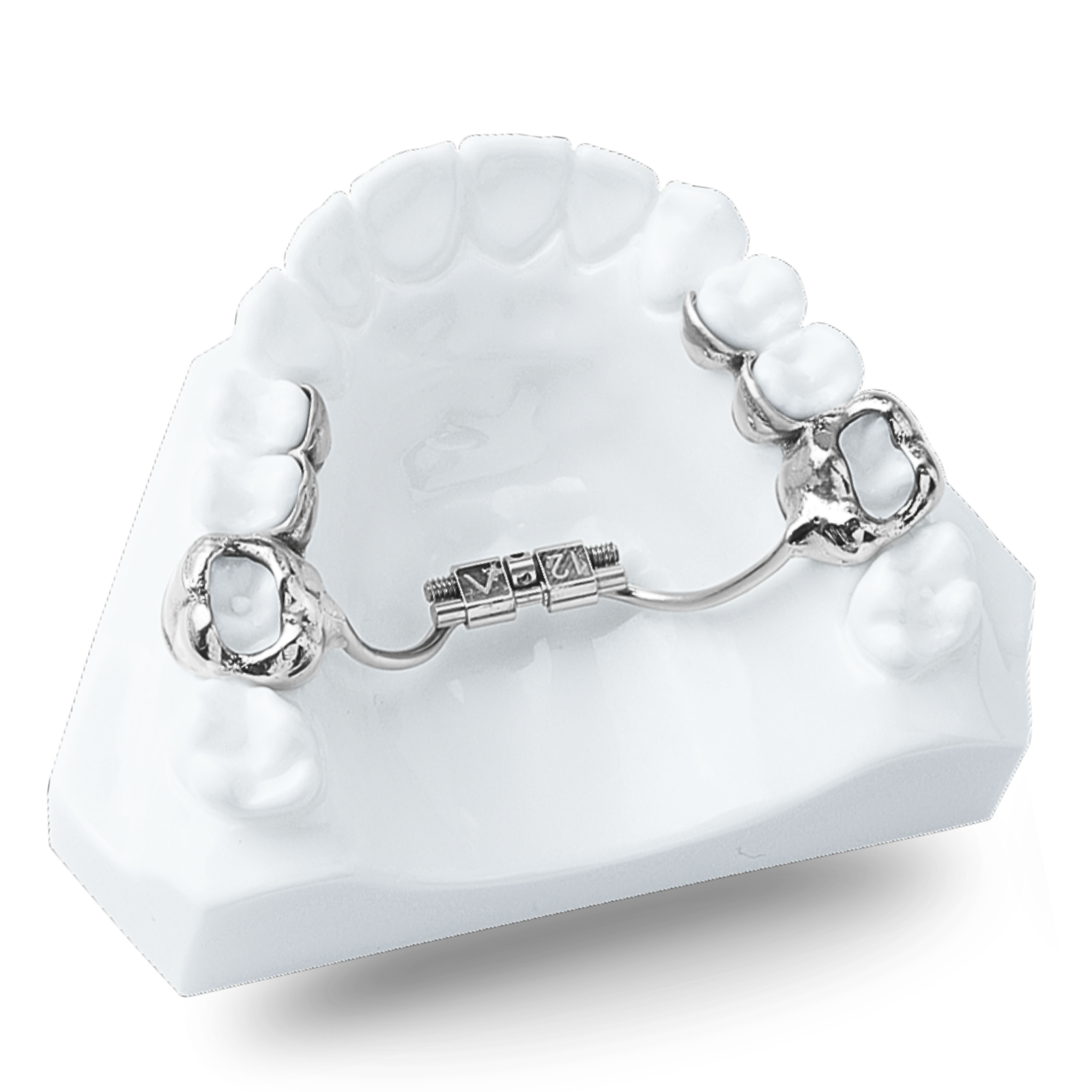
Custom Appliance Placement
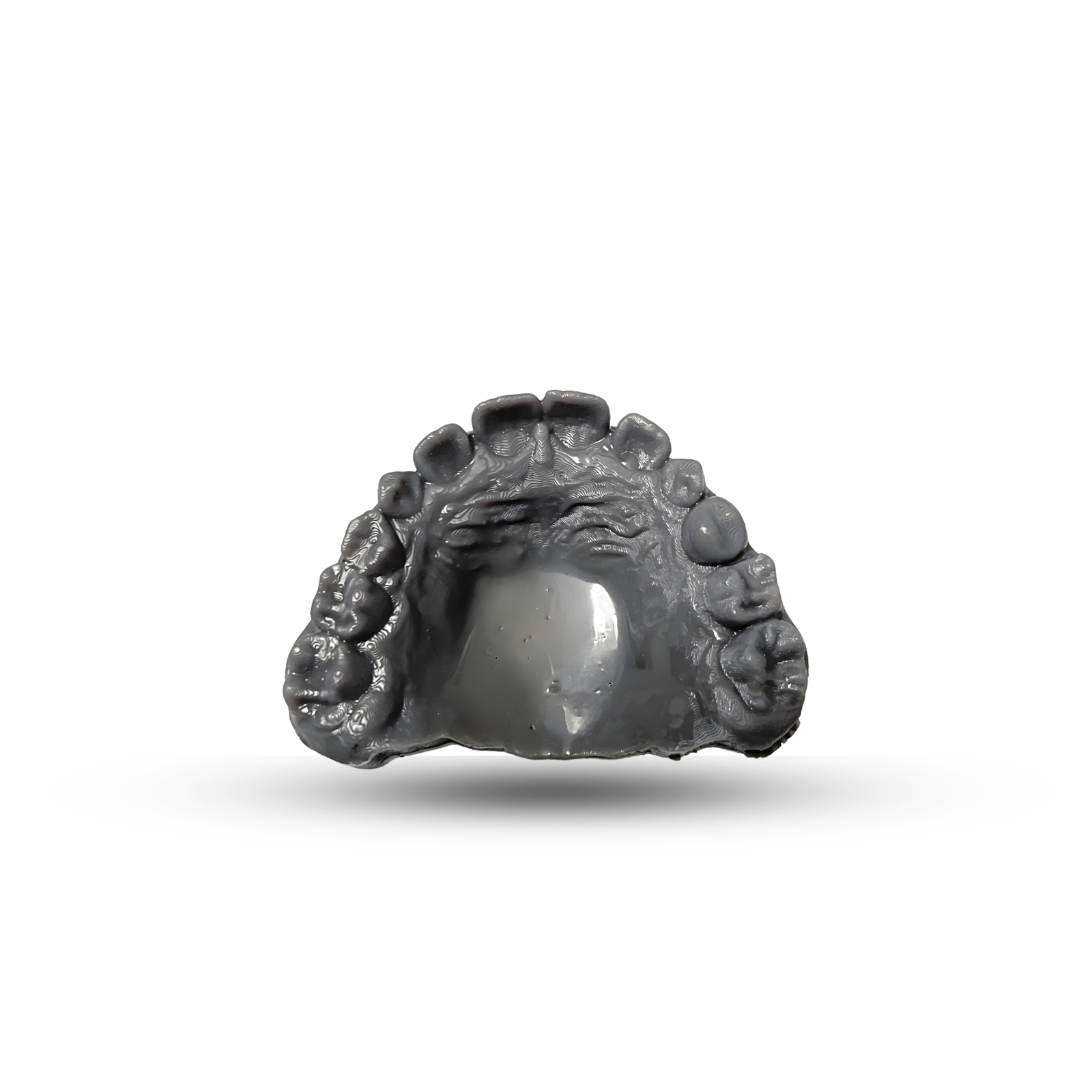
A custom-made expander is created specifically for your child’s anatomy. At the placement appointment, the appliance is securely attached to the upper molars.
This appointment is usually quick and comfortable, and patients can return to normal activities the same day.
Why Consider Rapid Palatal Expansion?
Rapid Palatal Expansion offers many benefits when performed at the right age.
Benefits of RPE Treatment
- Creates space for crowded teeth
- Corrects crossbites
- Improves bite alignment
- Guides proper jaw development
- May reduce the need for tooth extractions
- Supports improved facial balance
- Can help improve breathing in some patients
- Allows permanent teeth to erupt more naturally
When used during growth, RPE treatment can significantly improve long-term orthodontic outcomes.
Rapid Palatal Expander (RPE) Frequently Asked Questions
Does an expander hurt?
Most patients feel mild pressure or tightness after the expander is turned. This sensation usually lasts only a few minutes and becomes easier over time. Some tenderness may occur during the first few days after placement.
How long does RPE treatment take?
The active expansion phase typically lasts 2–6 weeks. After that, the expander remains in place for 3–6 months to allow the bone to stabilize.
Will my child get a gap between their front teeth?
Yes, many patients develop a small gap between their front teeth during expansion. This is a normal and expected sign that the upper jaw is widening. The gap usually closes naturally, or with orthodontic treatment.
How do we turn the expander?
Parents or caregivers use a small key provided by the orthodontist to turn the screw in the center of the expander. Instructions will be clearly demonstrated during the placement appointment.
Turning the key is quick and simple, and most families become comfortable with the process right away.
What foods should be avoided with an expander?
Patients should avoid foods that could damage or loosen the appliance, including:
- Sticky foods (gum, caramel, taffy)
- Hard foods (ice, hard candy, popcorn kernels)
- Chewy foods (bagels, tough meats)
- Foods that require biting directly into them (whole apples, corn on the cob)
Soft foods are recommended for the first few days after placement.
How do we keep the expander clean?
Good oral hygiene is very important during treatment.
Patients should:
- Brush carefully around the expander after meals
- Use WaterPik to remove trapped food
- Use special cleaning tools if recommended
- Maintain regular brushing and flossing habits
Your orthodontic team will provide cleaning instructions.
Will the expander affect speech?
Some patients notice slight speech changes for a few days after placement. Most adjust quickly and return to normal speech within a short time.
Can my child still play sports with an expander?
Yes! Patients can continue normal activities, including sports. A mouthguard may be recommended for contact sports to protect the appliance and teeth.
What happens after the expander is removed?
After the expander is removed, many patients continue orthodontic treatment with braces or clear aligners to guide the teeth into their final positions.
At what age is an expander most effective?
Rapid Palatal Expanders are most effective in growing children, typically between ages 7–13, while the upper jaw is still developing.
An early orthodontic evaluation helps determine the best timing for treatment.